

Why Most Midlife Health Plans Fail Before They Start
It All Begins Here
By the time I was 38, my blood work started telling a story I couldn’t ignore.
Years in hospitality — wine bars, restaurants, wine distribution — had caught up with me. Alcohol was part of the culture, part of my identity, part of how I lived and worked. Add the stress of running businesses, long hours behind a screen or a steering wheel, poor sleep, and constant pressure, and the signs were there: rising body fat, a distended belly, migraines, neck pain, and eventually liver markers that suggested real damage. Fatty liver was likely. If I kept going, cirrhosis wasn’t off the table.
By 39, I stopped drinking. Completely.
The last seven years have been about rebuilding — not just aesthetics, but full metabolic health. Today, at 46, I’m fitter and healthier than I was at 25.
That story isn’t unique. It’s the same pattern I now see in many of the men I work with.
The Pattern I See Over and Over
Most midlife men don’t come to me unmotivated.
They come frustrated.
They tell me:
“I’ve tried this diet and that diet.”
“I trained hard, but nothing stuck.”
“Low-carb worked for a while, then everything fell apart.”
“I don’t have time to train or track calories properly.”
Many carry clear metabolic issues:
excess visceral fat
fatty liver
pre-diabetes
high cholesterol
low testosterone or thyroid dysfunction
Some are already on medication. Others are heading there.
The common thread isn’t effort.
It’s that every plan they tried started with action instead of understanding.
Where Most Plans Go Wrong
Most health plans begin with:
a workout program
a calorie target
a diet rule
None of those are inherently wrong.
They’re just premature.
By midlife, the margin for error is smaller. Stress is higher. Recovery is slower. Joints tolerate less abuse. Hormones and metabolic health matter more than ever.
When you pile aggressive training or restrictive diets on top of an already overloaded system, the result is predictable:
short-term progress
followed by fatigue, injury, or burnout
followed by quitting
Motivation fades because it was never the real problem.
What I Do Differently (And Why It Matters)
I don’t start with programs.
I start with data.
Not just a standard PT questionnaire, but:
GP-led blood work covering metabolic and hormonal markers
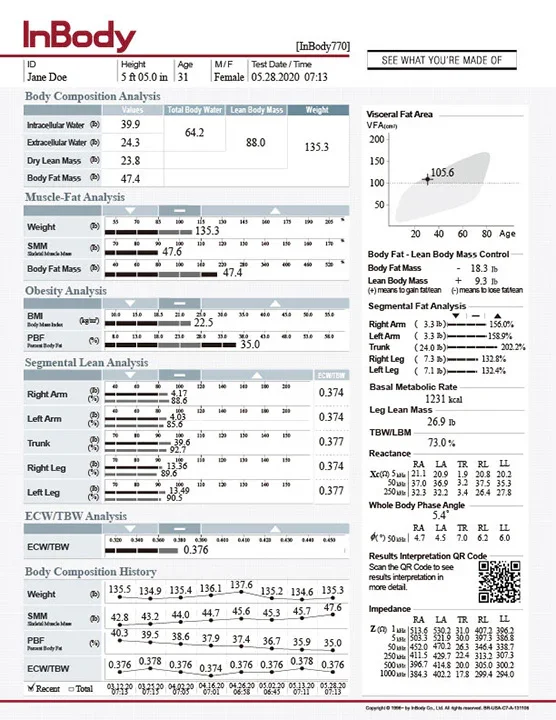
body composition via DEXA or high-accuracy InBody 770
injury history, medications, and health background
This gives us real information:
body fat percentage
lean tissue mass (in kilos, not guesses)
metabolic health indicators
hormone profile
recovery capacity
Only once we understand the system do we set goals — realistic ones.
In more than a few cases, this process has uncovered health issues clients didn’t even know they had. That alone makes it worthwhile.
Why “No Time” Isn’t the Real Issue
One of the most common things I hear is:
“I don’t have time to train properly.”
That’s exactly why we use a minimum effective dose approach:
high-intensity, low-volume training
80/20 thinking
maximum return for time invested
We don’t chase gym hours.
We chase outcomes.
Walking is built in. Steps matter. Cardio is used strategically, not punished. If cardiovascular fitness is the goal, the plan changes — but metabolic health remains the priority.
Why Diets Keep Failing
Most of my clients have tried low-carb or keto.
It often works at first. Then it becomes unsustainable.
Socially, mentally, and practically.
They don’t fail the diet.
The diet fails real life.
Instead, nutrition needs to match:
basal metabolic rate
maintenance needs
body composition goals
training demands
Sometimes that means fat loss.
Sometimes muscle gain.
Sometimes careful recomposition in a small deficit.
There is no universal template — only appropriate decisions.
The Real Goal (That Most Plans Miss)
Aesthetics are not the primary target.
The real goal is:
improving metabolic health now to prevent serious health consequences later.
Everything else flows from that.
Training, nutrition, recovery, and habits only work when they’re governed by:
assessment
realism
accountability
Motivation will always rise and fall.
Systems don’t.
If this resonates, it’s probably because you’re not failing — you’re just applying effort without a structure that fits midlife reality.
That’s where coaching actually matters.
Why the Scale Lies (and What to Track Instead)
It All Begins Here
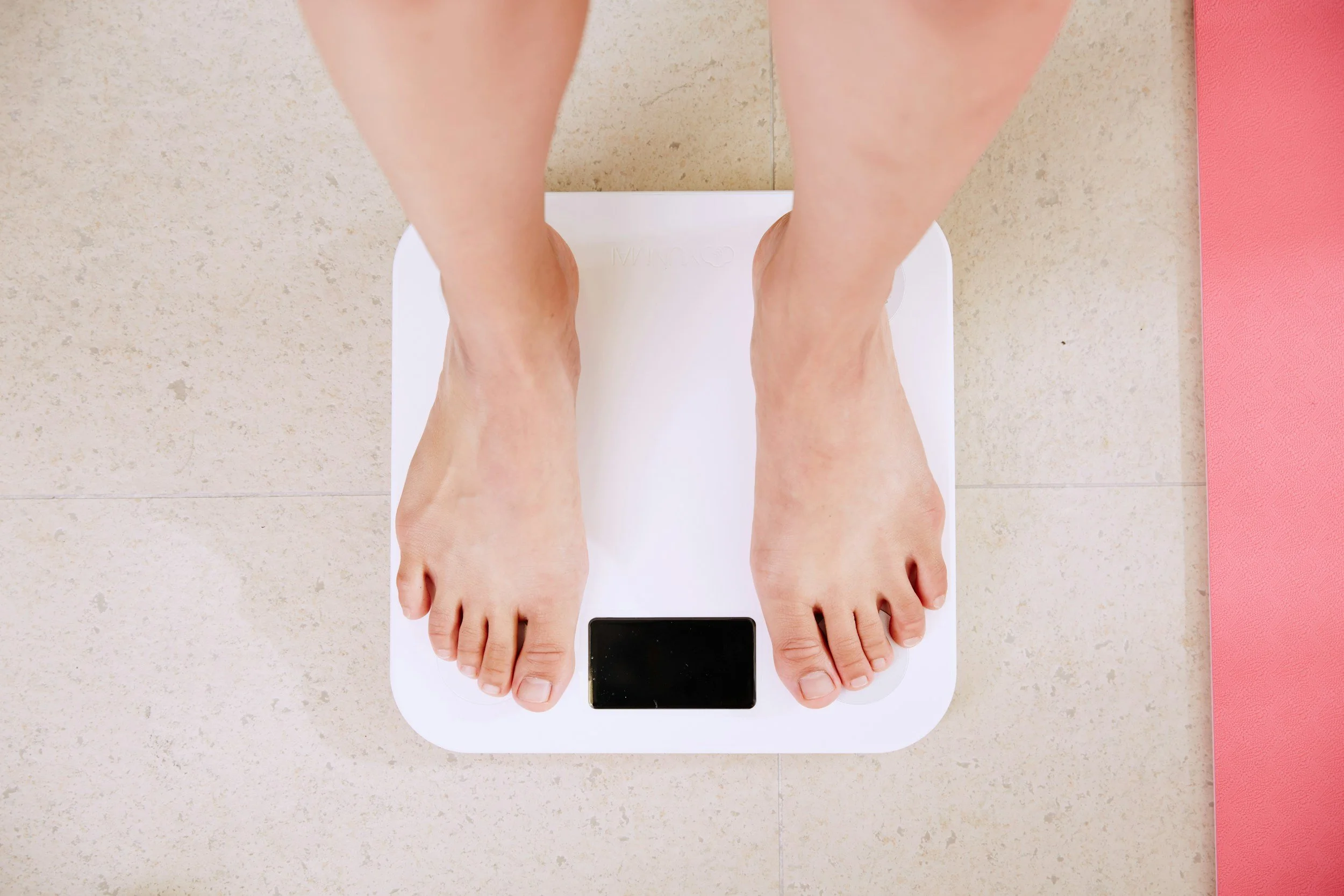
If there’s one tool I’d remove from most midlife health plans immediately, it’s the bathroom scale.
Not reduce its importance.
Not “use it wisely.”
Remove it completely.
After decades of watching my own progress — and the progress of hundreds of clients — I’ve come to a clear conclusion:
Scale weight causes more confusion, false hope, and bad decisions than almost anything else in health.
Why the Scale Is a Poor Marker
The scale only tells you one thing: total body weight.
It doesn’t tell you:
how much is fat
how much is muscle
how much is water
how inflamed or stressed your system is
Day to day, body weight can fluctuate wildly due to:
hydration
sodium intake
carbohydrate intake
inflammation from training
poor sleep
stress
digestion
You can “lose” two kilos in a week and almost all of it be water.
You can “gain” a kilo while losing fat and building muscle.
The scale can’t tell the difference — but your brain reacts as if it can.
That’s the problem.
How the Scale Creates False Hope (and False Failure)
I’ve seen this cycle countless times:
Weight drops quickly → excitement → confidence
Weight stalls or jumps → frustration → doubt
Behaviour changes based on emotion, not reality
People train harder, eat less, panic, or quit — all because a number moved for reasons unrelated to real progress.
I’ve lived this myself.
Years of chasing scale changes that meant nothing in the long term.
The scale didn’t reflect health.
It reflected noise.
BMI Isn’t Better — It’s Just More Polite About It
BMI is often used as a “health marker,” but it’s no improvement.
It:
ignores body composition
ignores muscle mass
ignores age and training history
ignores metabolic health
A muscular, lean man can be classified as “overweight.”
A metabolically unhealthy man with low muscle mass can appear “normal.”
BMI doesn’t guide decisions.
It mislabels people.
What Actually Matters Instead
If scale weight and BMI are poor tools, what replaces them?
Two things.
1. Body Composition (Not Body Weight)
Body composition tells us:
how much fat you carry
how much lean tissue you have
how that changes over time
DEXA or high-quality body composition scans (like InBody 770) give signal, not noise.
They allow us to answer real questions:
Are you losing fat?
Are you preserving or building muscle?
Is the plan working?
Progress photos taken monthly add a visual layer the scale can’t provide.
This removes emotion from the process.
2. BMR, Not BMI
Basal Metabolic Rate (BMR) tells us something useful:
how much energy your body needs at rest
This becomes the foundation for:
nutrition planning
fat loss strategies
recomposition decisions
BMR reflects physiology.
BMI reflects population averages.
One helps build a plan.
The other just labels you.
Why I Tell Clients to Get Rid of the Scale
For most midlife adults, the scale does three harmful things:
it distracts from real progress
it drives emotional decision-making
it undermines consistency
Once clients stop weighing themselves daily, something interesting happens:
training quality improves
nutrition adherence improves
stress around “progress” drops
long-term consistency increases
The plan becomes calmer.
More rational.
More effective.
My Position (Clear and Honest)
This is my opinion — built on decades of experience, personal failure, and real-world coaching.
Body weight doesn’t matter nearly as much as people think.
Body composition and metabolic health matter far more.
If you want clarity, stop chasing a number that can’t tell you what’s actually changing.
Track what matters.
Ignore what doesn’t.
If you want help setting this up properly — with body composition tracking, realistic nutrition planning, and a system that removes guesswork — you can apply for private coaching below.
Body Composition vs Body Weight: What Actually Matters
It All Begins Here
Most people think their goal is weight loss.
It isn’t.
What they actually want is:
less body fat
more muscle
better health
better function
better confidence in their body
Weight loss is just a crude proxy — and often the wrong one.
Why Weight Loss Is the Wrong Target
Body weight is the sum of everything:
fat
muscle
bone
water
glycogen
food in your gut
When the scale goes down, you don’t know what you lost.
When it goes up, you don’t know what you gained.
That’s why weight loss can look like progress while health is quietly getting worse.
I’ve seen it repeatedly:
people losing weight while losing muscle
people getting “lighter” but weaker, flatter, and more fatigued
people reaching a target weight and still looking and feeling unhealthy
The scale doesn’t distinguish between good loss and bad loss.
The Real Goal: Fat Loss and Muscle Gain
What actually matters is body composition:
reducing body fat
preserving or increasing lean tissue
These two outcomes drive:
metabolic health
insulin sensitivity
hormonal health
long-term weight stability
ageing well
Losing fat while maintaining or gaining muscle is fundamentally different from “losing weight.”
One improves health.
The other can degrade it.
Why Muscle Matters More Than People Realise
Muscle isn’t just about aesthetics.
It is:
metabolically active tissue
a major driver of glucose disposal
protective against insulin resistance
essential for joint health and resilience
a predictor of longevity and independence
In midlife, muscle loss is not neutral — it’s harmful.
If weight loss comes at the expense of muscle, the long-term outcome is predictable:
lower metabolism
poorer blood sugar control
easier fat regain
worse health markers
This is why aggressive dieting often backfires.
Why Midlife Changes the Equation
At 20, you can diet hard, train poorly, and recover anyway.
At 40+, the system is different:
recovery capacity is lower
stress load is higher
hormones are less forgiving
joints tolerate less abuse
Chasing scale weight often leads to:
under-eating
over-training
chronic fatigue
stalled progress
The solution isn’t more discipline.
It’s better targets.
What to Track Instead
If body composition is the goal, tracking must match it.
That means:
body composition scans (DEXA or high-quality InBody)
monthly progress photos
strength and performance trends
basic health markers where appropriate
Scale weight becomes irrelevant background noise.
You can be:
losing fat while weight stays the same
gaining muscle while weight increases
improving health with minimal change on the scale
Without body composition data, those outcomes look like failure.
Recomposition: The Outcome Most People Actually Want
Many midlife adults don’t need extreme fat loss or bulking phases.
They need recomposition:
slow fat loss
gradual muscle gain
stable energy
sustainable habits
This often happens in a small calorie deficit — or even at maintenance — when training, nutrition, and recovery are aligned.
It’s slower.
It’s calmer.
It works.
The Decision Rule
If your plan is focused on weight loss, you’re aiming at the wrong target.
If your plan is focused on:
fat loss
muscle retention or gain
metabolic health
you’re finally aiming at something meaningful.
My Position (Clear)
Body weight is a blunt instrument.
Body composition is a precise one.
Stop asking, “What do I weigh?”
Start asking, “What am I made of?”
That’s where real progress lives.
Why Muscle Is the Real Driver of Fat Loss After 40
It All Begins Here
If you want to understand why fat loss becomes harder after 40, you first need to stop thinking about calorie math and start thinking about muscle.
Not just how big you look.
Not just how strong you feel.
But how much metabolic work your body can actually do — every day, in the background — to manage fuel, move glucose, and stay healthy.
Because as you age, that’s the real engine that dictates progress or decline.
The Problem Nobody Talks About
After 40, it’s not that people stop trying harder.
It’s that what used to work — workouts and diets from your 20s and early 30s — stops working because your physiology changes.
Muscle mass and strength start declining around middle age, and that shift has big consequences:
lower resting energy expenditure
poorer glucose disposal
higher risk of insulin resistance
more fat storage around organs
worse metabolic health overall
This isn’t just anecdotal — this is precisely what aging physiology research and longevity experts like Peter Attia emphasize: preserving muscle and strength is essential if you want to maintain quality of life and function as you age.
Muscle Is a Metabolic Organ, Not Just a Look
Here’s where the thinking changes:
Muscle isn’t just about aesthetics.
It’s about metabolic power.
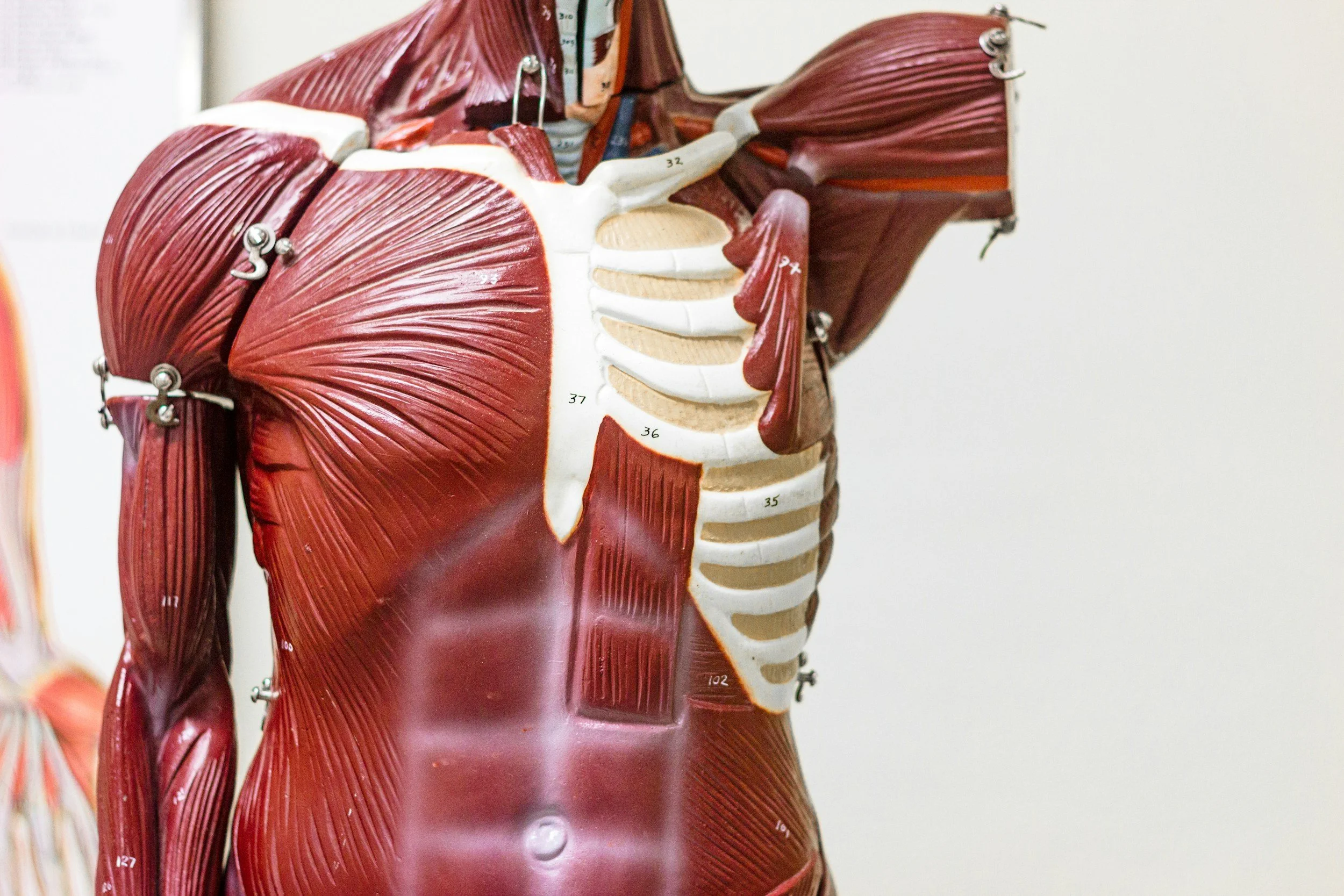
Skeletal muscle is one of the largest sites in your body where glucose is used and stored. When muscle mass decreases, the body becomes worse at handling glucose, which leads to:
higher circulating blood sugar
greater fat storage
higher risk of type 2 diabetes and metabolic dysfunction
This is backed by research showing that lower muscle mass is directly linked to metabolic disease risk.
Muscle also acts like a metabolic sink — meaning it sucks up glucose after meals, stabilizing blood sugar and reducing the drive for fat storage. The less muscle you have, the more of that glucose stays in your bloodstream and gets shifted into fat.
Muscle Drives Resting Energy Expenditure
Muscle burns more calories than fat — even at rest.
A pound of muscle uses more energy than a pound of fat, and as a result:
more muscle = higher baseline calorie burn
less muscle = slower metabolism
stable or higher metabolic rate protects against fat gain
This doesn’t mean you suddenly burn hundreds more calories per day, but that cumulative small metabolic differences matter a lot over decades.
Strength, Hypertrophy & Endurance — What the Difference Means
If muscle is so important, it matters how you build and use it.
Here’s the practical breakdown:
Strength
Neural adaptations
Better force production
Higher functional performance
Helps preserve muscle with age
Strength protects independence — and reduces mortality risk. Loss of strength, more than loss of mass alone, is linked to worse outcomes.
Hypertrophy
Real muscle growth
Bigger fibers = more metabolic tissue
More capacity for glucose disposal
Better resting metabolic rate
Endurance
Improves cardiovascular health
Doesn’t grow muscle much
Still beneficial, but not the main driver of fat loss
You need all three in context — but for fat loss and long-term metabolic health, strength + hypertrophy lead the way.
Muscle and Longevity
Peter Attia has made this point repeatedly: if you want to stay functional, high-quality, and healthy into your 80s and beyond, you cannot be average at 50. He frames muscle and strength preservation as a foundational pillar of longevity, alongside mobility and cardiovascular fitness.
This isn’t about looking ripped at 60.
It’s about:
strength to get up off the floor
stamina to play with kids or grandkids
metabolic stability decades into the future
Why Diet Alone Doesn’t Work After 40
You can starve calories and lose weight — but if you lose muscle too, guess what?
You slow your metabolism, reduce glucose disposal, and compromise long-term health.
That’s why so many diets work and then fail. Because they aren’t changing the body’s capacity to manage fuel — they’re only restricting intake. And without muscle, you have far less capacity to handle glucose and fat metabolism efficiently.
So What Should the Priority Be?
For anyone over 40 who wants:
better fat loss
improved metabolic health
sustained energy
longevity and quality of life
Your training must include:
Resistance training for strength
Progressive load and hypertrophy work
Mobility and joint health for long-term function
Endurance to support cardio health (not as a fat-loss crutch)
Nutrition and recovery matter too — but muscle is the engine that actually drives the outcome.
Here’s the Decision Rule
If your plan:
ignores strength
prioritises cardio alone
or drives weight loss without muscle preservation
It isn’t targeting what actually moves the needle after 40.
If your plan:
builds muscle
improves strength
supports metabolic capacity
It’s finally aligned with how the body works.
Bottom Line
Muscle is not optional after 40 — it’s central to fat loss, metabolic health, and longevity.
Build muscle first.
Maintain strength always.
And let fat loss be a by-product of a body that’s capable and resilient.
Because — if you want to be kicking ass at 80 — strength and muscle aren’t just about aesthetics.
They’re about life.